Supportive care for chemotherapy

Traditional Chinese Medicine (TCM) can play a valuable supportive role for patients undergoing chemotherapy by enhancing immune function, improving metabolism, and alleviating treatment side effects. Here’s how TCM contributes and when to integrate it:

Benefits of TCM for the Immune and Metabolism Systems During Chemotherapy:

  1. Supports Immune Function
    • Herbal medicine (e.g., Astragalus, Lingzhi/Reishi, Ginseng) helps boost white blood cell production, reducing chemotherapy-induced immunosuppression.
    • Acupuncture stimulates immune regulation, helping to restore balance and reduce inflammation.
  2. Enhances Metabolic Function
    • TCM can help improve digestion and nutrient absorption, which are often compromised during chemotherapy.
    • Regulates energy metabolism by addressing Qi deficiency and Blood stagnation, which are common patterns seen in cancer patients.
    • Reduces chemotherapy-induced weight loss or gain by harmonizing Spleen and Stomach functions.
  3. Reduces Side Effects
    • Nausea and vomiting: Acupuncture (e.g., P6 point) has strong evidence for reducing chemotherapy-induced nausea.
    • Fatigue: Qi-tonifying herbs and acupuncture can help counteract extreme exhaustion.
    • Neuropathy: Acupuncture and certain herbs help alleviate numbness and tingling.

Best Time to Start TCM Treatment

  • Before Chemotherapy: Ideally, 1–2 weeks before chemotherapy starts to strengthen the body’s resilience.
  • During Chemotherapy: Helps mitigate side effects and improve overall recovery.
  • After Chemotherapy: Supports recovery, boosts immunity, and detoxifies residual toxins.

Recommended Frequency

  • During treatment: 1–2 times per week (especially for managing nausea, fatigue, and immune function).
  • After chemotherapy: Once a week or biweekly, depending on the patient’s recovery progress.

Each case should be personalized based on the patient’s condition and TCM pattern diagnosis.
Weight management

Weight management using Traditional Chinese Medicine (TCM) focuses on restoring balance in the body through diet, exercise, and mindful living. Your approach—combining calorie deficit, a continuous glucose monitoring (CGM) device, intermittent fasting, and daily Qi Gong—aligns well with both TCM principles and modern metabolic health strategies. Here’s a breakdown of each component and how to integrate them effectively:

1. TCM Perspective on Weight Management

  • Balance of Qi and Blood: Proper digestion (Spleen and Stomach function) is crucial for weight management. Qi Gong supports Qi flow and metabolism.
  • Dampness and Phlegm: Excess weight may be linked to Dampness accumulation. Dietary choices and herbs can help resolve this.
  • Liver Qi Stagnation: Stress and emotional imbalances can contribute to overeating. Qi Gong and acupuncture can support Liver Qi flow.

2. Lifestyle Changes for Weight Management

  • Caloric Deficit with CGM:
    • Using a CGM can help monitor glucose fluctuations and optimize meal timing.
    • Avoid excessive insulin spikes by choosing low-glycemic, whole foods.
  • Intermittent Fasting (IF):
    • TCM supports fasting in moderation to allow digestive organs to rest.
    • Consider a gentle IF approach (e.g., 12-16 hours), ensuring proper hydration and avoiding excessive cooling foods.
  • Daily Qi Gong Exercise:
    • Stimulates digestion and metabolism.
    • Enhances relaxation, reducing emotional eating triggers.

3. Consulting Your Healthcare Provider

  • Medical Guidance: Before starting intermittent fasting or making significant dietary changes, consult a licensed healthcare provider, especially if you have preexisting conditions.
  • TCM Practitioner Consultation: A licensed acupuncturist or herbalist can assess your constitution and recommend specific herbs, acupuncture, and dietary adjustments.
  • CGM Monitoring: If using a CGM, discuss findings with a doctor or dietitian to tailor your dietary approach safely.

TCM for hypertension

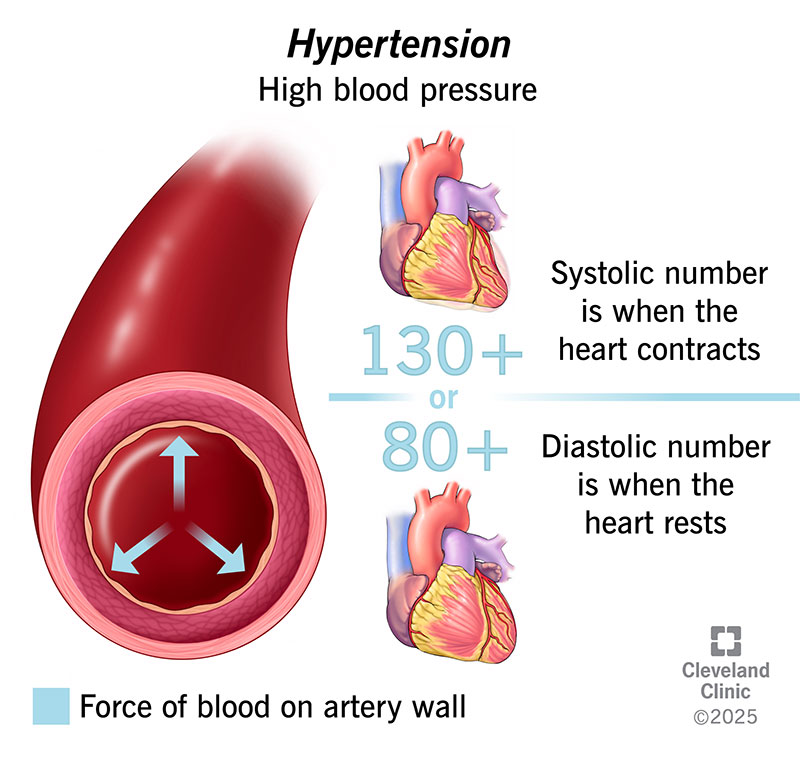
Traditional Chinese Medicine (TCM) can benefit hypertension by addressing the underlying imbalances in the body rather than just managing symptoms. TCM views hypertension as a result of disharmonies such as Liver Yang Rising, Kidney Deficiency, or Phlegm-Damp obstruction. Treatment may include:

  • Acupuncture: Helps regulate blood pressure by balancing the body’s energy (Qi) and calming the Liver.
  • Herbal Medicine: Formulas like Tian Ma Gou Teng Yin (Gastrodia and Uncaria Decoction) may be used for Liver Yang Rising, while Zhen Gan Xi Feng Tang (Sedate the Liver and Extinguish Wind Decoction) can help with more severe cases.
  • Dietary Therapy: Emphasizing foods that nourish Yin, clear Heat, and dispel Dampness, such as leafy greens, celery, and mung beans.
  • Qi Gong & Tai Chi: These practices promote relaxation, improve circulation, and help reduce stress-related hypertension.

Since hypertension patterns vary among individuals, consult your TCM practitioner for guidance tailored to your specific condition and constitution.

Five Elements & Emotional Health

In Five Element Theory (Wu Xing) from Asian Medicine, emotional health is deeply connected to the balance of the five elements—Wood, Fire, Earth, Metal, and Water. Each element corresponds to specific organs, emotions, and cycles of energy in the body. When an element is imbalanced, it can manifest as emotional disturbances.

1. Wood (Liver & Gallbladder) → Emotions: Anger, Frustration, Resentment

  • Balanced Wood: Clear decision-making, healthy ambition, patience.
  • Excess Wood (Liver Qi Stagnation): Irritability, frustration, outbursts of anger, tension headaches.
  • Deficient Wood (Liver Blood/Yin Deficiency): Indecisiveness, lack of motivation, depression.
  • Healing Practices:
    • Move Qi with gentle exercise (Tai Chi, Qi Gong, walking).
    • Express emotions healthily—journaling, creative arts.
    • Use herbs like Chai Hu (Bupleurum) to soothe Liver Qi.

2. Fire (Heart & Small Intestine) → Emotions: Joy, Excitement, Anxiety

  • Balanced Fire: Healthy enthusiasm, love, good communication.
  • Excess Fire (Heart Fire Rising): Overexcitement, restlessness, anxiety, insomnia, mania.
  • Deficient Fire (Heart Qi/Yang Deficiency): Lack of joy, sadness, low self-esteem.
  • Healing Practices:
    • Cultivate inner peace with meditation, prayer, laughter.
    • Cool excess Fire with lotus seed tea or Bai He (Lily Bulb).
    • Strengthen Fire with warm foods, social connection, and music.

3. Earth (Spleen & Stomach) → Emotions: Worry, Overthinking, Pensiveness

  • Balanced Earth: Nurturing, grounded, ability to focus.
  • Excess Earth (Dampness or Spleen Qi Stagnation): Overthinking, worry, obsession, brain fog.
  • Deficient Earth (Spleen Qi Deficiency): Fatigue, digestive issues, self-doubt, feeling unsupported.
  • Healing Practices:
    • Eat warm, cooked foods (avoid cold/raw foods).
    • Ground yourself with routine, nature walks, self-care.
    • Strengthen digestion with Ginseng, Dang Shen (Codonopsis), and Ginger Tea.

4. Metal (Lung & Large Intestine) → Emotions: Grief, Sadness, Letting Go

  • Balanced Metal: Ability to process grief, strong boundaries, integrity.
  • Excess Metal (Lung Qi Constraint): Prolonged sadness, difficulty letting go, isolation.
  • Deficient Metal (Lung Qi Deficiency): Low energy, vulnerability to illness, lack of inspiration.
  • Healing Practices:
    • Deep breathing (Qi Gong, meditation) to nourish the Lungs.
    • Release emotions with crying, journaling, therapy.
    • Strengthen Metal with spicy foods (garlic, radish) and warm teas like Bai He (Lily Bulb) for grief.

5. Water (Kidney & Bladder) → Emotions: Fear, Insecurity, Willpower

  • Balanced Water: Courage, resilience, wisdom.
  • Excess Water (Kidney Yin Deficiency or Fear Stagnation): Chronic fear, paranoia, excessive caution.
  • Deficient Water (Kidney Yang Deficiency): Lack of willpower, insecurity, exhaustion, fear of change.
  • Healing Practices:
    • Strengthen Kidneys with warm, nourishing foods (bone broth, black sesame, walnuts).
    • Address fear through gentle movement, self-reflection, and mindfulness.
    • Use He Shou Wu (Fo-Ti) or Goji berries to nourish Kidney energy.

Balancing Emotions with the Five Elements

  1. Identify your dominant emotional pattern (anger, fear, worry, sadness, overexcitement).
  2. Balance the corresponding organ system through food, herbs, movement, and mindset shifts.
  3. Use Elemental Cycles:
    • Control Cycle: If one element is excessive, another can temper it (e.g., Water (fear) can control excessive Fire (anxiety)).
    • Generating Cycle: Strengthen a deficient element by supporting the one that nourishes it (e.g., Earth (digestion) supports Metal (lungs), so improving digestion helps emotional resilience).

(All the herbs mentioned above should be used under the guidance of a licensed practitioner)

Benefits from drinking body-temperature or warm water

In Asian Medicine, the temperature of water plays a crucial role in balancing the body’s internal energy (Qi) and supporting organ function. Here’s how drinking body-temperature or warm water aligns with Traditional Chinese Medicine (TCM) and other Asian healing traditions:

  1. Supports Digestive Fire (Yang Energy)

The Spleen and Stomach are central to digestion in TCM. They rely on warm energy (Yang) to transform food into Qi and Blood.

Drinking ice or room temperature, which is generally lower than the body temperature, water can weaken the digestive fire, leading to bloating, sluggish digestion, and Dampness accumulation.

Warm water helps the Stomach function optimally, reducing symptoms like nausea, indigestion, and bloating.

  1. Prevents Qi and Blood Stagnation

Warm water promotes smooth Qi and Blood circulation, helping prevent stagnation that could lead to pain, headaches, or fatigue.

Cold water, especially after meals, may constrict blood vessels and slow circulation, causing discomfort or sluggish energy flow.

  1. Clears Cold and Dampness

Cold and Dampness in the body can contribute to conditions like arthritis, menstrual cramps, and sinus congestion.

Drinking warm water helps dispel internal Cold and supports the Kidney Yang, which governs warmth and vitality.

This is especially important for people with Yang Deficiency, who often feel cold, have low energy, or weak digestion.

  1. Strengthens the Kidney and Lung Systems

The Kidneys (associated with Water element) regulate fluids in the body. Drinking warm water supports Kidney function, preventing excessive Cold accumulation.

The Lungs control breathing and fluid metabolism. Warm water helps loosen mucus, making it beneficial for coughs and respiratory health.

  1. Aids Menstrual and Reproductive Health

In TCM, cold in the uterus can cause menstrual cramps and fertility issues.

Warm water helps maintain proper Blood circulation in the uterus, reducing pain and promoting smooth menstruation.

Practical Tips from TCM Perspective

Drink warm water or herbal teas instead of cold beverages, especially in the morning and with meals.

Avoid iced drinks, particularly in colder seasons or if you have a cold constitution.

Add ginger or lemon to warm water for extra digestive and warming benefits.

Drink warm water slowly to support absorption and avoid overwhelming the Stomach.

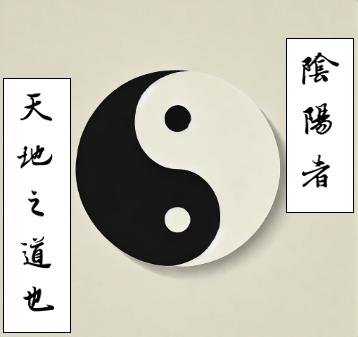
Yin and Yang

In Traditional Chinese Medicine (TCM), Yin and Yang are fundamental concepts that describe the dynamic balance of opposing but complementary forces in the body and nature. This philosophy, rooted in Daoist thought, provides a framework for understanding health, disease, and treatment. Here’s why Yin and Yang are important in TCM:

1. Balance is Key to Health

  • Health is achieved when Yin and Yang are in harmony.
  • Imbalances (excess or deficiency) lead to disharmony, which can manifest as illness.

2. Defines Physiological Functions

  • Yin represents the cooling, nourishing, and moistening aspects of the body (e.g., blood, fluids, rest).
  • Yang represents warmth, activity, and transformation (e.g., metabolism, movement, energy).
  • The interaction between Yin and Yang ensures proper bodily functions.

3. Guides Diagnosis

  • TCM practitioners assess whether a person has a Yin deficiency (e.g., dryness, heat, insomnia) or a Yang deficiency (e.g., cold limbs, fatigue, slow digestion).
  • Symptoms often reflect an excess or deficiency of one aspect.

4. Directs Treatment Strategies

  • Treatments aim to restore Yin-Yang balance.
  • For Yin deficiency, cooling and nourishing herbs/foods are used.
  • For Yang deficiency, warming and invigorating therapies (moxibustion, warming herbs) are applied.
  • Acupuncture points are selected to regulate Yin and Yang flow.

5. Explains Relationships in the Body

  • Every organ has a Yin and Yang aspect (e.g., Kidney-Yin vs. Kidney-Yang).
  • The interaction of Yin and Yang influences internal organ function and overall vitality.

6. Influences Lifestyle Recommendations

  • Balance in diet, sleep, emotions, and activity is encouraged.
  • Overwork depletes Yang, excessive stress depletes Yin—lifestyle adjustments help maintain harmony.

7. Yin-Yang in Nature and the Cosmos

  • Just as day and night, summer and winter alternate, the human body follows cycles.
  • TCM treatments often consider seasonal and environmental Yin-Yang influences.

By understanding Yin and Yang, TCM provides a holistic and dynamic approach to wellness, addressing both symptoms and root causes of disease.